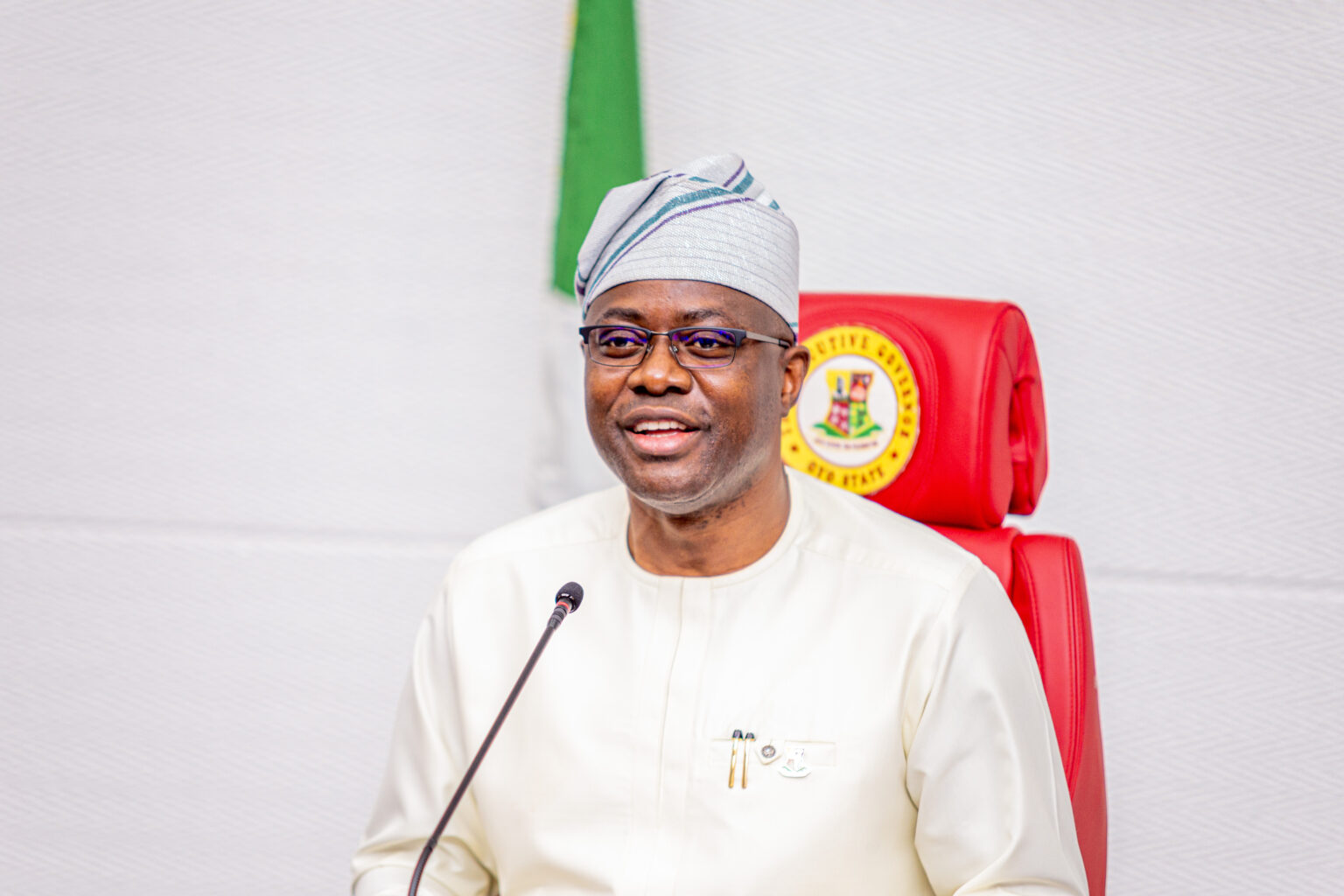
Introduction: Who is Seyi Makinde?
Oluseyi Abiodun Makinde, popularly known as Seyi Makinde, is a Nigerian businessman, politician, and the current Executive Governor of Oyo State. Born on December 25, 1967, he has become a symbol of technocratic leadership in Nigeria. As of February 2026, he is recognized for his “Oyo State Roadmap for Sustainable Development (2023-2027),” which has significantly boosted the state’s internally generated revenue. Unlike traditional politicians, Makinde entered the scene as a self-made billionaire engineer, bringing a corporate efficiency to governance that has made him a fan favorite for higher national office.
Early Life and Academic Excellence
Seyi Makinde was born in Ibadan, Oyo State, to the late Pa Olatubosun Makinde, a teacher turned accountant, and Madam Abigail Makinde. He began his education at St. Paul Primary School and completed it at St. Michael Primary School, Yemetu, Ibadan. His secondary education was at Bishop Phillips Academy. Makinde’s academic prowess led him to the University of Lagos (UNILAG), where he earned a bachelor’s degree in Electrical Engineering in 1990. He furthered his training at world-class institutions, including the Massachusetts Institute of Technology (MIT) and the Lagos Business School, specializing in complex business problem-solving and automation.
Professional Engineering Career
Before his political career, Makinde was a highly successful entrepreneur in the oil and gas sector. He worked as a pupil engineer at Shell Petroleum Development Company (SPDC) and later at Rebold International. In 1997, at the age of 29, he founded Makon Engineering and Technical Services (METS). Over the next two decades, he built the Makon Group into an international powerhouse specializing in instrumentation and automation for the oil and gas industry. His background as a subject matter expert in fluid and gas metering provided him with the financial independence that defines his political “independent” brand.
Political Journey and Governance
Makinde’s entry into politics was a marathon, not a sprint. After several unsuccessful attempts at the Senate and Governorship, he finally won the Oyo State gubernatorial election in 2019 under the People’s Democratic Party (PDP). He was re-elected in 2023 with a landslide victory. His administration is built on four pillars: Education, Healthcare, Security, and Economic expansion through Agribusiness. In 2026, his record of 167% growth in state revenue and the completion of major infrastructural projects like the Moniya-Iseyin road have placed him at the center of the 2027 presidential conversations.
Seyi Makinde Net Worth in 2026
As of February 2026, Seyi Makinde’s estimated net worth remains approximately N48 Billion (roughly $35 million – $40 million) based on his previous asset declarations and the growth of the Makon Group. Upon taking office in 2019, he made history by publicly declaring his assets, a move that bolstered his reputation for transparency. His wealth is primarily derived from his private sector successes in the international energy market rather than government contracts, a fact he frequently highlights in his speeches.
Personal Life and Philanthropy
Governor Makinde is married to Tamunominini Makinde, and they are blessed with three children. He is known for his calm demeanor and his “people-centered” philanthropy. Long before he held office, he was known for providing scholarships to thousands of indigent students in Oyo State. In 2026, he continues to be involved in various humanitarian projects, focusing on youth empowerment and the integration of technology into rural farming communities.
Summary of Key Details
- Full Name: Oluseyi Abiodun Makinde
- Date of Birth: December 25, 1967
- State of Origin: Oyo State, Nigeria
- Political Party: People’s Democratic Party (PDP)
- Marital Status: Married (Tamunominini Makinde)
- Education: UNILAG (B.Sc Electrical Engineering), MIT (Certification)
Conclusion
The story of Seyi Makinde is one of persistence and the successful blend of professional expertise with public service. In 2026, he stands as a benchmark for good governance in Nigeria, proving that a background in engineering and business can provide the structural solutions needed for state development. Whether he remains a state leader or moves toward a national role in the 2027 elections, his impact on the Nigerian political landscape is undeniable. He remains a “Pacesetter” in every sense of the word.