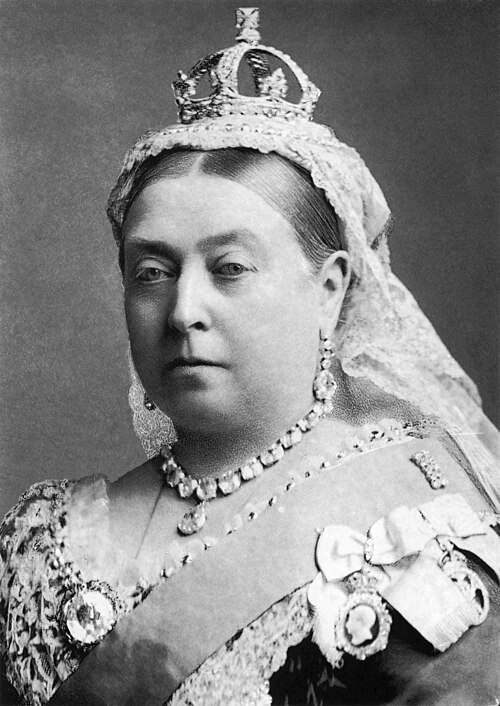
To look at the face of Queen Victoria in 1901 was to look at a woman who had become a living monument, but in the spring of 2026, that monument is being dismantled and rebuilt. As the United Kingdom marks the 125th anniversary of her passing, we are moving past the silent, black-clad statue of the history books. New historical access—including the ongoing massive digitization of her 60-million-word personal journals—is revealing a woman who was a relentless political micro-manager. She didn’t just sit on a throne; she edited the 19th century, firing off hundreds of telegrams to prime ministers and refusing to let her “ceremonial” status keep her from the gears of power.
The March 2026 Commemoration: A Legacy in Mint
The reason Victoria is back in the headlines this week isn’t just nostalgia. The Royal Mint has recently released a commemorative 2026 coin collection specifically to mark this 125-year milestone, featuring portraits that contrast the eighteen-year-old girl who inherited a mess with the eighty-one-year-old matriarch who left behind a superpower. At the Guildhall Library in London, researchers are gathering this month to discuss her 1901 funeral not as an end, but as the moment the British monarchy successfully rebranded itself for the modern age. This isn’t just a look back; it is a live investigation into how one woman’s personal grief and public iron-will created the blueprint for every royal who followed her.
Escaping the Kensington Cage
The “Story of Doing” for Victoria begins with a prison break. Born in 1819, she was the victim of the Kensington System—a psychological blockade designed by her mother to keep her weak and dependent. She was never allowed to sleep in a room alone or even walk down a staircase without a hand to hold. The moment she became Queen at eighteen, she didn’t just accept a crown; she took action. Her first order as monarch was to move her bed out of her mother’s room. It was a small act of domestic defiance that signaled the birth of a leader who would spend the rest of her life obsessed with maintaining her own agency.
The Albert Partnership: Executive Power in the Parlor
Victoria’s marriage to Prince Albert was less a romance and more a high-stakes executive merger. While history often focuses on their domestic bliss, their real story is what they built together. Albert was the architect of the 1851 Great Exhibition, but Victoria was the salesperson who turned it into a global triumph for British industry. They worked side-by-side at twin desks, effectively co-signing the expansion of the British Empire. When Albert died suddenly in 1861, Victoria’s “doing” shifted from public partnership to private, stubborn influence. She wore black for the next forty years, using her mourning as a shield that allowed her to wield power from the shadows of Windsor Castle.
The Private Fortune of a Global Matriarch
One of the more revealing investigative threads in 2026 involves Victoria’s personal business acumen. While the state treasury was the face of the Empire, Victoria was building a private financial fortress. By her death in 1901, she had amassed a private estate—including Balmoral and Osborne House—worth the equivalent of 120 million dollars today. This wasn’t just old money; it was a carefully managed portfolio that ensured her descendants would never be entirely dependent on the whims of Parliament. In the mid-2020s, historians see this financial independence as the real reason the House of Windsor survived the turbulent century that followed her.
Closing Thoughts
Queen Victoria’s story is often told as a long, slow fade into black, but the reality was a woman who never stopped pushing. She survived a claustrophobic childhood, navigated the loss of her partner, and managed the finances of a global dynasty with a cold, clear eye. As the 125th-anniversary events continue this month, we aren’t just remembering a Queen; we are finally reading the diary of a woman who refused to be a footnote in her own reign. She didn’t just live through the Victorian Era—she authored it.