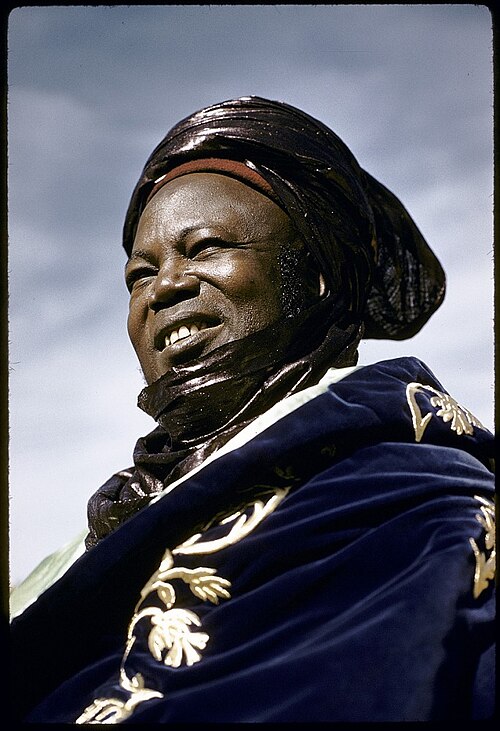
Sir Ahmadu Bello was far more than a political figure; he was the spiritual and architectural foundation of Northern Nigeria. Decades after his passing, his presence is still felt in the region’s banks, its schools, and its very sense of identity. Known to almost everyone as the Sardauna of Sokoto, he managed a feat few modern leaders achieve: he modernized an entire society without stripping away its cultural soul. Today, as Nigeria grapples with new economic and security hurdles, the Sardauna’s blueprint for regional strength and unity is being studied with fresh urgency by a new generation of leaders.
A Royal Beginning in Rabah
Born Sir Ahmadu Ibrahim Bello on June 12, 1910, in the quiet village of Rabah, he carried the weight of history from birth. As a direct descendant of Usman dan Fodio the man who founded the Sokoto Caliphate Bello was born into a legacy of leadership. His early years were spent in the halls of Sokoto Provincial School and the Katsina Teacher Training College. Back then, he was simply Ahmadu Rabah, a young man from the district where his father served as head. This deep connection to the soil of the North remained with him even as he traveled to England to master the intricacies of local government administration in the late 1940s.
Building the Pillars of the North
Bello’s career was defined by his refusal to let Northern Nigeria fall behind. After rising through the traditional ranks to become the Sardauna of Sokoto, he took the reins as the first Premier of Northern Nigeria in 1954. He was the force behind the Northernization policy, a focused push to fill the civil service with local talent and bridge the educational gap between the North and South. But his real monuments are the institutions he left behind. He founded the Bank of the North and the Northern Nigeria Development Corporation to ensure economic independence. Most importantly, he established Ahmadu Bello University in Zaria. Just this February, over 10,000 new students took their matriculation oath at ABU, a living testament to a man who believed education was the only way to reach a common destination of prosperity.
The Legacy of 1966 and the 2026 Dialogue
The tragic end of the Sardauna’s life on January 15, 1966, during Nigeria’s first military coup, left a void that many feel has never been truly filled. However, sixty years later, his Kaduna home at Arewa House has become more than just a museum; it is a laboratory for Northern thought. On March 2, 2026, the center hosted a major round-table dialogue where today’s scholars and policymakers gathered to discuss the Sardauna’s vision of One North, One People. They weren’t there for a simple history lesson; they were looking for solutions to the problems of the mid-2020s in the wisdom of a man who died over half a century ago. His image on the 200 Naira note remains a daily reminder of his status as a pillar of the Nigerian federation.
The Man Behind the Title
Sir Ahmadu Bello was a man of deep faith and traditional values, married to three wives, with Hafsatu being his senior wife. His personal life was defined by the concept of Gamji the cedar tree symbolizing a leader who provides shade and protection to all. He famously turned down the chance to become the Prime Minister of Nigeria, preferring to stay as the Premier of the North to directly oversee the development of his people. This selflessness is what continues to endear him to millions, even those born long after he passed away.
Final Thoughts
Walking through the bustling campuses or the financial districts of the North today, you do not need a history book to find Ahmadu Bello. You see him in the students from across the country studying in Zaria and in the trade that flows through the institutions he built. He was a leader who provided the Gamji shade for everyone, regardless of their background. As we navigate the complexities of 2026, the lesson of the Sardauna remains simple but profound: true progress only happens when a leader puts the collective destiny of the people above his own personal ambition.